Altitude Awareness
ALTITUDE AWARENESS
At City Drug, we welcome a considerable number of tourists and other visitors to the Fort Collins area year-round. We’re a popular destination for hiking, climbing, bouldering, cycling and much more. Sitting at roughly 4,982 feet, we’re nearly a mile closer to the sun…and we’re a far cry from sea level, for sure! Tourists and visitors to Fort Collins can expect to feel some mild symptoms of altitude sickness when they come here from lower altitudes or sea level: headache, dry mouth, lightheadedness, fatigue, nausea, and insomnia or interrupted sleep.
Stronger altitude sickness, known at Acute Mountain Sickness or AMS, means exhibiting all of these signs, plus nosebleeds and possibly vomiting. With these forms of altitude sickness, rest and time for recovery is vital.
Many of these symptoms resolve on their own after a few hours, a few days, or upon returning home. While you’re here, though, they can be rather unpleasant to contend with. In addition to hydrating yourself AND ensuring your electrolytes are replenished (we love Pedialyte for electrolyte replacement), and using an NSAID, like ibuprofen or naproxen sodium, City Drug carries several altitude helpers you might consider packing along with you on hikes or other outdoor adventures…along with plenty of electrolyte replacement and water:
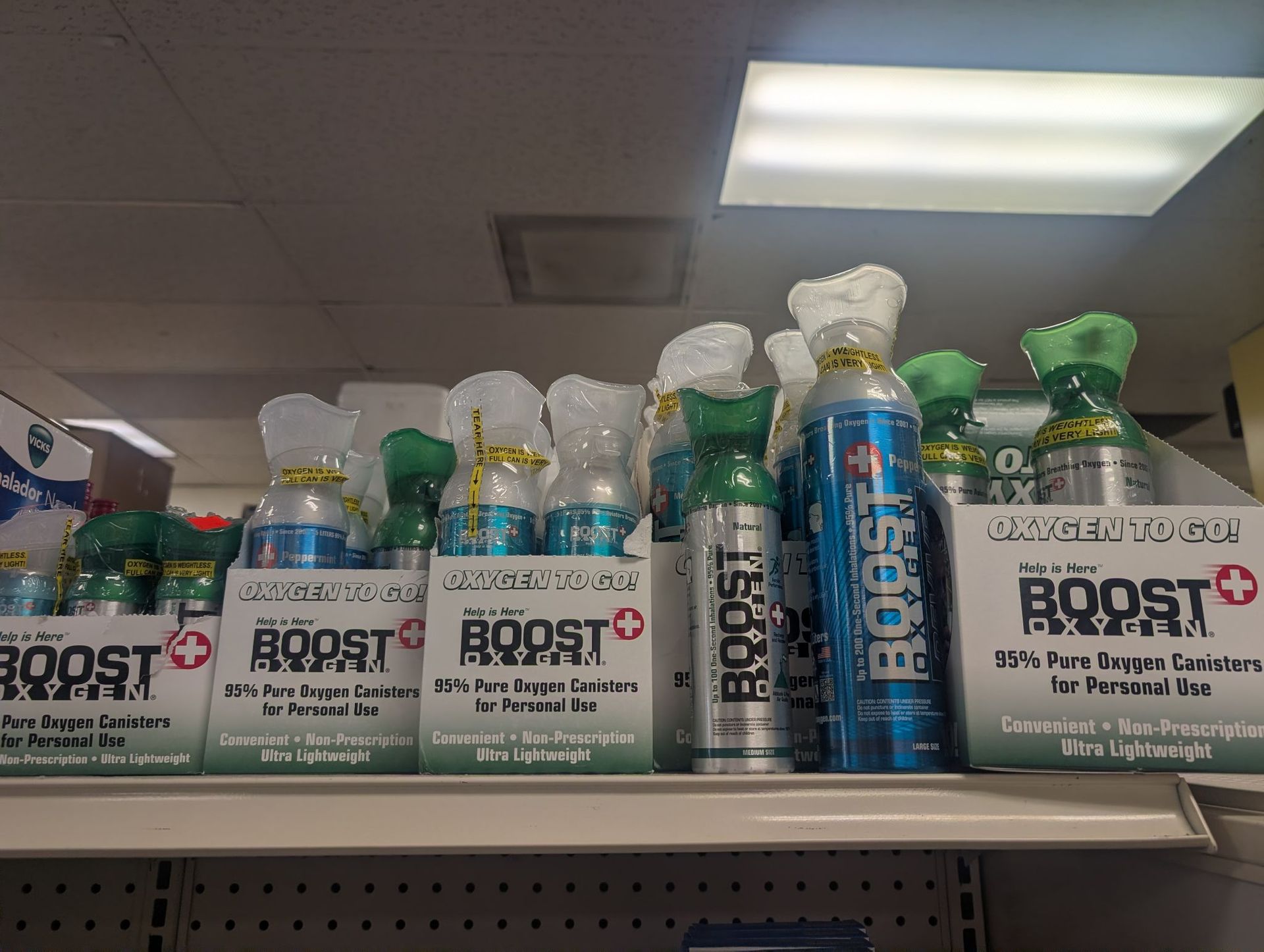
- Boost Oxygen: canned oxygen can actually help the symptoms of altitude sickness considerably by giving your body and brain a much-needed boost of pure oxygen. Available in a variety of flavors and sizes, Boost makes it easy to keep oxygen with you as you’re on the go.
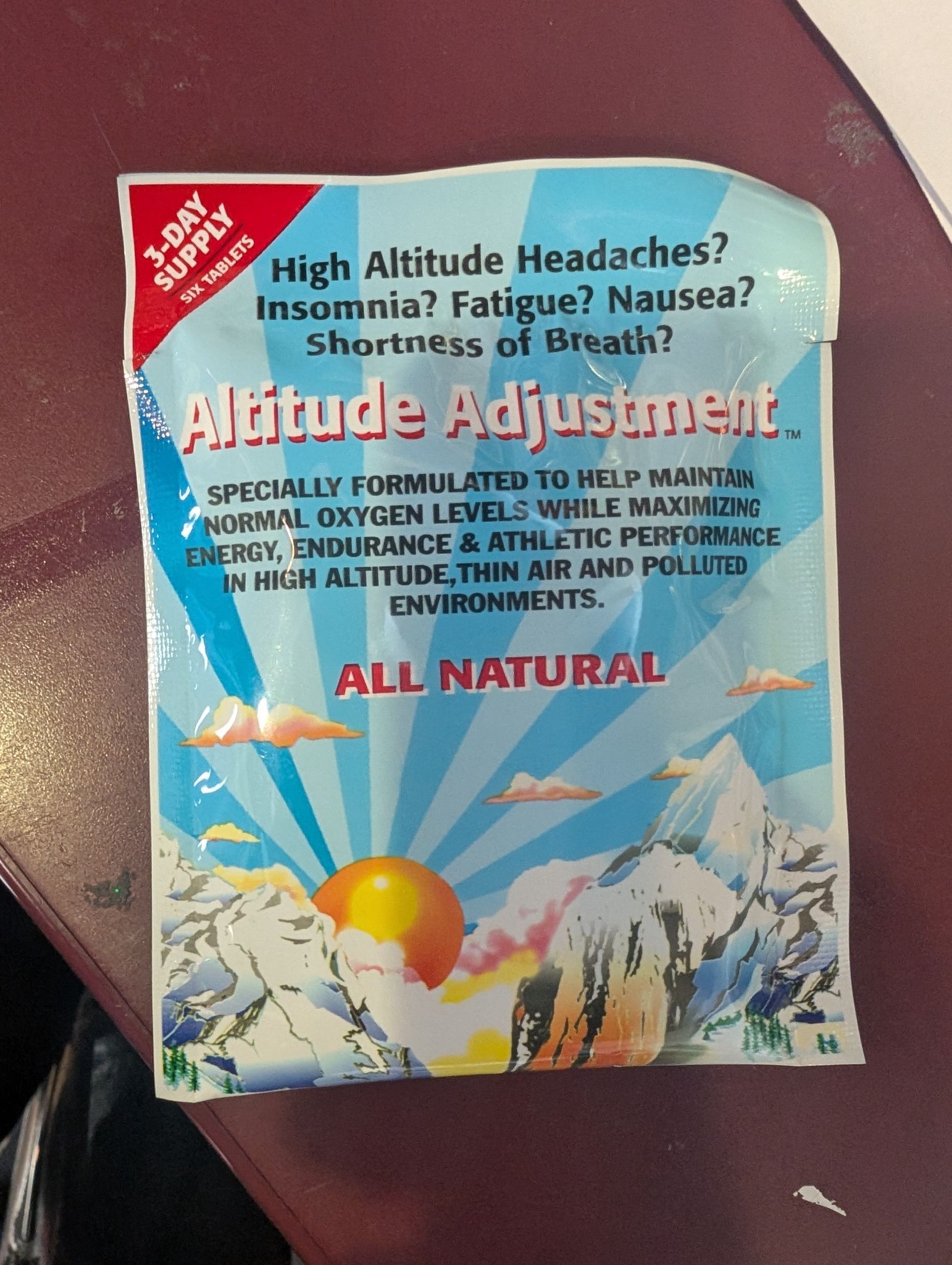
- Altitude Adjustment: A proprietary blend of vitamin C and herbal supplements, Altitude Adjustment helps your body use oxygen more efficiently. When at higher altitudes, Altitude Adjustment can improve the various symptoms of altitude sickness considerably.
Altitude sickness can present in severe forms, however. Generally, the higher you go and the longer you stay there, the greater the likelihood is for altitude sickness to worsen in severity. High Altitude Pulmonary Edema (HAPE) and High Altitude Cerebral Edema (HACE) can both appear quickly and may incapacitate the person experiencing them. The fix for both HAPE and HACE is to immediately move the person exhibiting those symptoms down the mountain, to descend in altitude as quickly as possible. This can hasten recovery from those symptoms very quickly if they are able to descend.
HAPE and HACE, however, are not frequently developed at Fort Collins’ altitude, or most altitudes found in the Rockies. These types of altitude sickness are seen much more frequently in areas like the upper Himalayan Mountains and those who try to ascend their peaks. While it is possible to develop severe altitude sickness virtually anywhere you’re ascending into an uncomfortable altitude zone, it’s unlikely that you’ll develop anything too severe.
If you see a doctor about your experience with AMS, you may be offered certain prescription remedies that many find quite helpful. One is called acetazolamide, previously known by its brand name Diamox. Acetazolamide helps your body adjust to altitude and breathe more easily at higher altitudes. Several other options that may be offered to you can include dexamethasone and ibuprofen, ibuprofen especially if you have an AMS headache.
Read more about AMS, HAPE, and HACE
here. Ultimately we want you to enjoy Colorado like those of us who are lucky enough to live here year-round. If you start feeling lightheaded or dizzy, sit down as quickly as possible and rest. Drink lots of fluids and hang out in groups of people so that help is always nearby. After a few days, your experience with AMS will likely have cleared up completely.
Blogs